









Check out Nami Tamaki’s new and exclusive interview with the digital magazine “La Voix”!
It’s a candid, mature interview in which she generously opens her heart and shares her most sincere thoughts. On both a personal and professional level, she opens up about her past and her hopes for the future.
Read the full translation. Available below.
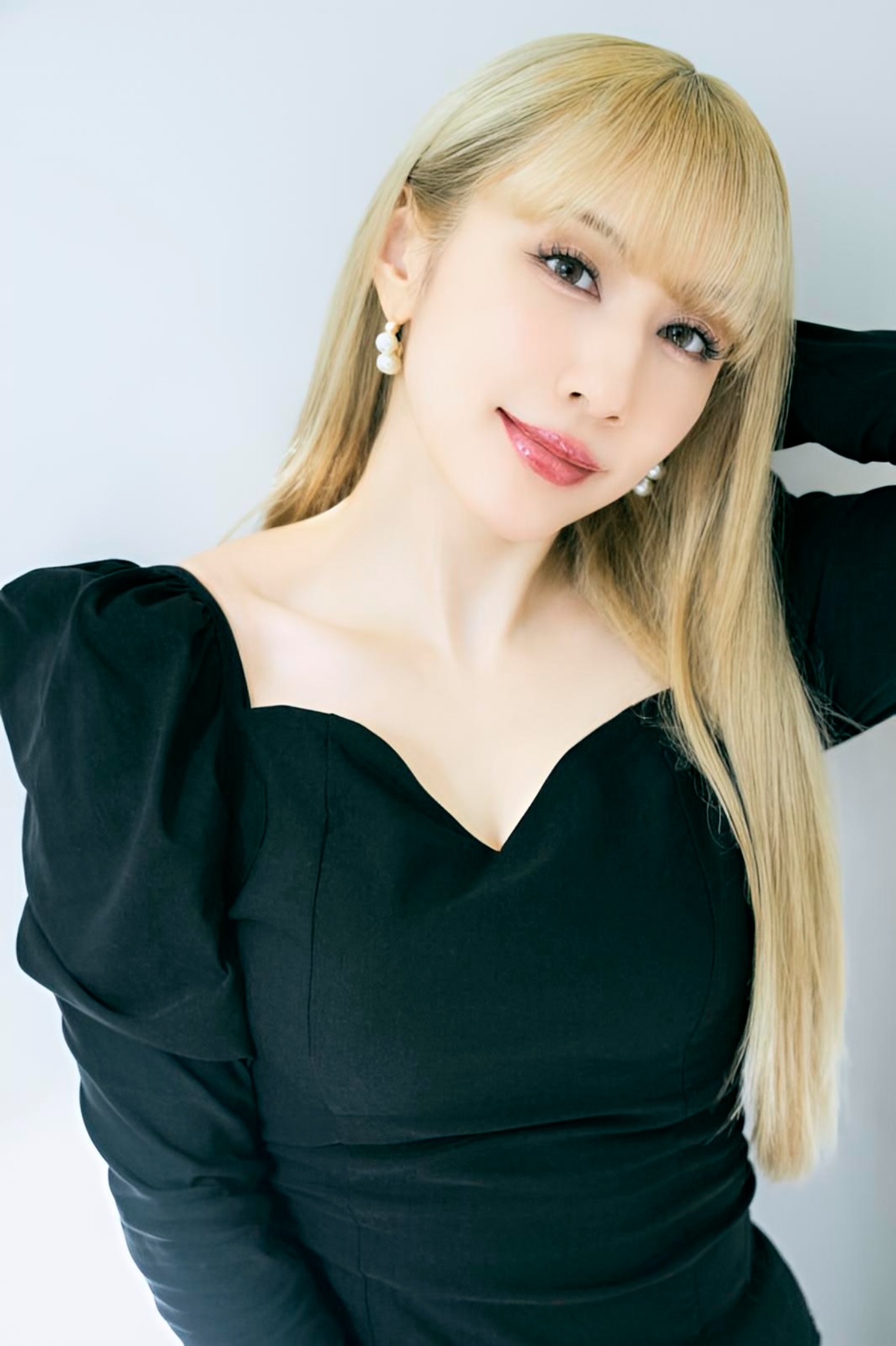
Nami Tamaki made her debut at age 14 and instantly gained attention with “Believe,” the opening theme for Mobile Suit Gundam SEED. Since then, she has remained at the forefront of the industry with her singing and dancing, and is now entering her 23rd year as an artist. Yet she remains relentlessly disciplined toward herself, going so far as to say: “Singing is an eternal challenge”. How have her voice and expression changed with age? What kind of training does she continue to do today? And what does she value most as an entertainer? From her ideal image of a woman to the way of life she aspires to lead, she spoke candidly in her own words.
“I’ve finally learned to treat myself”
— It’s been 23 years since your debut, and you’ve continued to be active on the front lines, Ms. Tamaki. What originally inspired you to become an artist?
Since I’d been taking classical ballet lessons since I was three, I originally wanted to be a dancer. I started thinking I wanted to sing, too, around fifth grade. I began attending an acting school, and there, my teacher showed me a performance by Janet Jackson—it was so cool. When I got home and watched the music video, I liked it even more. That was the first time the idea of “captivating audiences through song and dance” really took root in me.
— Were you good at singing back then?
No, not at all! I still have absolutely no confidence in it (laughs). I think singing is something I’ll always be working on. I’m reasonably confident when it comes to moving my body and captivating the audience with my physicality, but no matter how much I practice singing, I never feel like I’m doing it well (laughs). I feel like I just have to keep exploring, practicing, and honing my skills. I’m sure that won’t change for a long time to come.
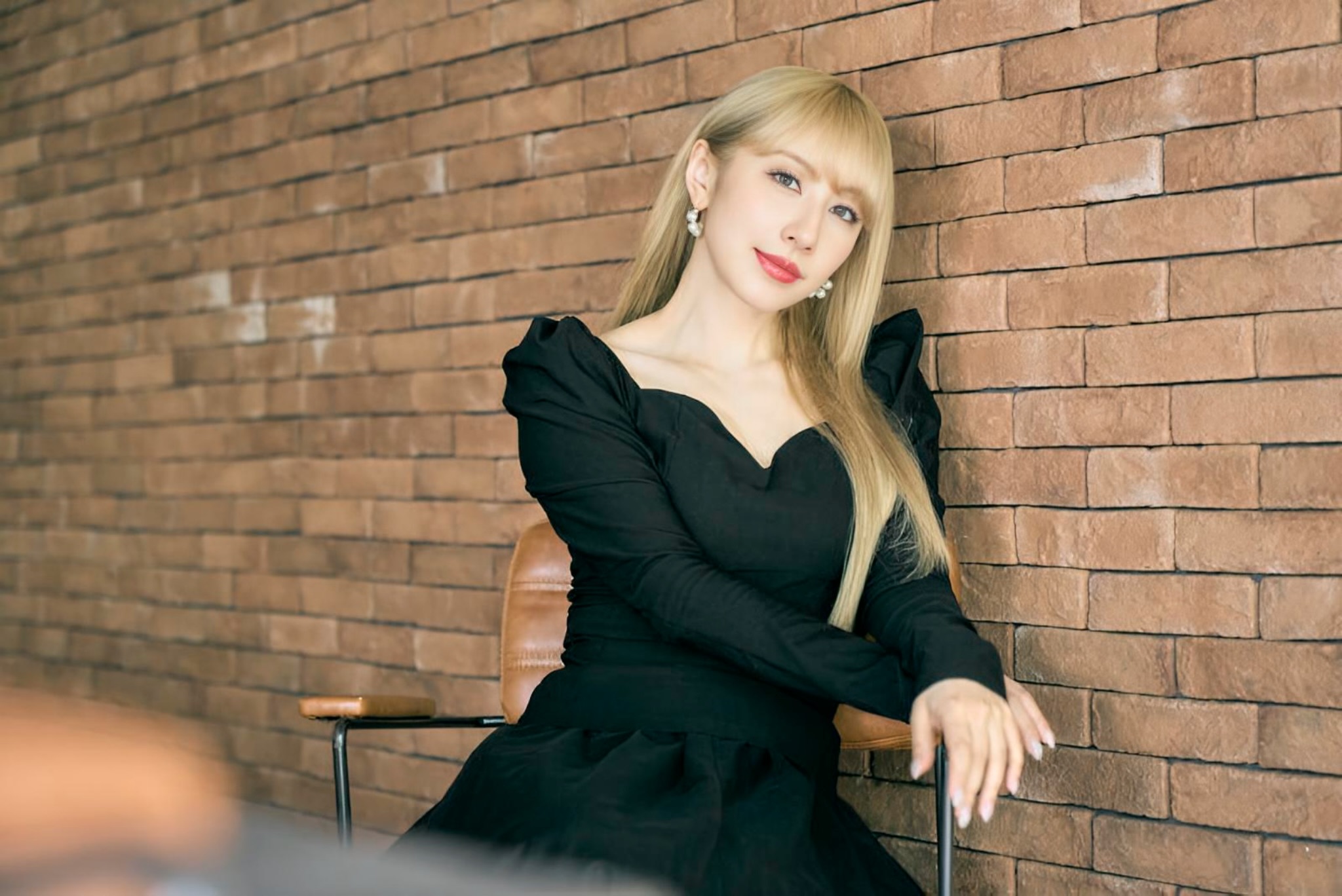
— Even with such an amazing singing voice, that’s how you feel? You’re so disciplined!
It’s a bit awkward to say this about myself, but I am a bit of a perfectionist… For better or worse, my feeling that “this is how it should be!” is just too strong. If I fall even slightly short of what I had in mind, I end up scolding myself, thinking: “You could’ve done better than that!” I don’t really compare myself to others, but my standards for myself are just too high, so I always end up feeling frustrated. I think I do put too much pressure on myself.
Lately, though, I feel like I’ve finally started being a little kinder to myself (laughs). Even if I don’t quite reach my ideal, I’ve gotten to the point where I can give myself a passing grade—thinking, “I managed this” or “I gave that expression a shot”.
— You couldn’t even do that before?
No, I couldn’t. If I made one mistake, I’d think the whole thing was a failure. But now, I’ve learned to cut myself some slack and think: “Wasn’t that part actually pretty good?” (laughs). I think that’s one way I’ve matured a bit.
— Who is the singer you admire most, Ms. Tamaki?
There are many, but one is HYDE, who’s also from my hometown. He’s been very supportive of me; we’ve had many opportunities to work together, and he’s even invited me to be a guest at his orchestral concerts. He has the technical skill to handle anything from orchestral music to heavy band sounds, and his expressiveness is amazing. On top of that, he’s got a certain allure about him. I get the sense that he’s constantly studying on his own and is very dedicated to his craft. I truly respect him, including that kind of attitude.
— HYDE has continued to deliver wonderful vocals and performances, just as he always has. Do you still continue with voice training, Tamaki?
Yes. I still go to voice lessons once a month. Other than that, I practice on my own at home. Basically, I just sing my favorite songs at the top of my lungs (laughs). Also, to make sure I don’t forget what I learned in that month’s lesson, I record all the audio from the session. I listen back to those recordings at home and practice repeatedly. I don’t just stop at the once-a-month lesson—I make sure to keep practicing at home as well.
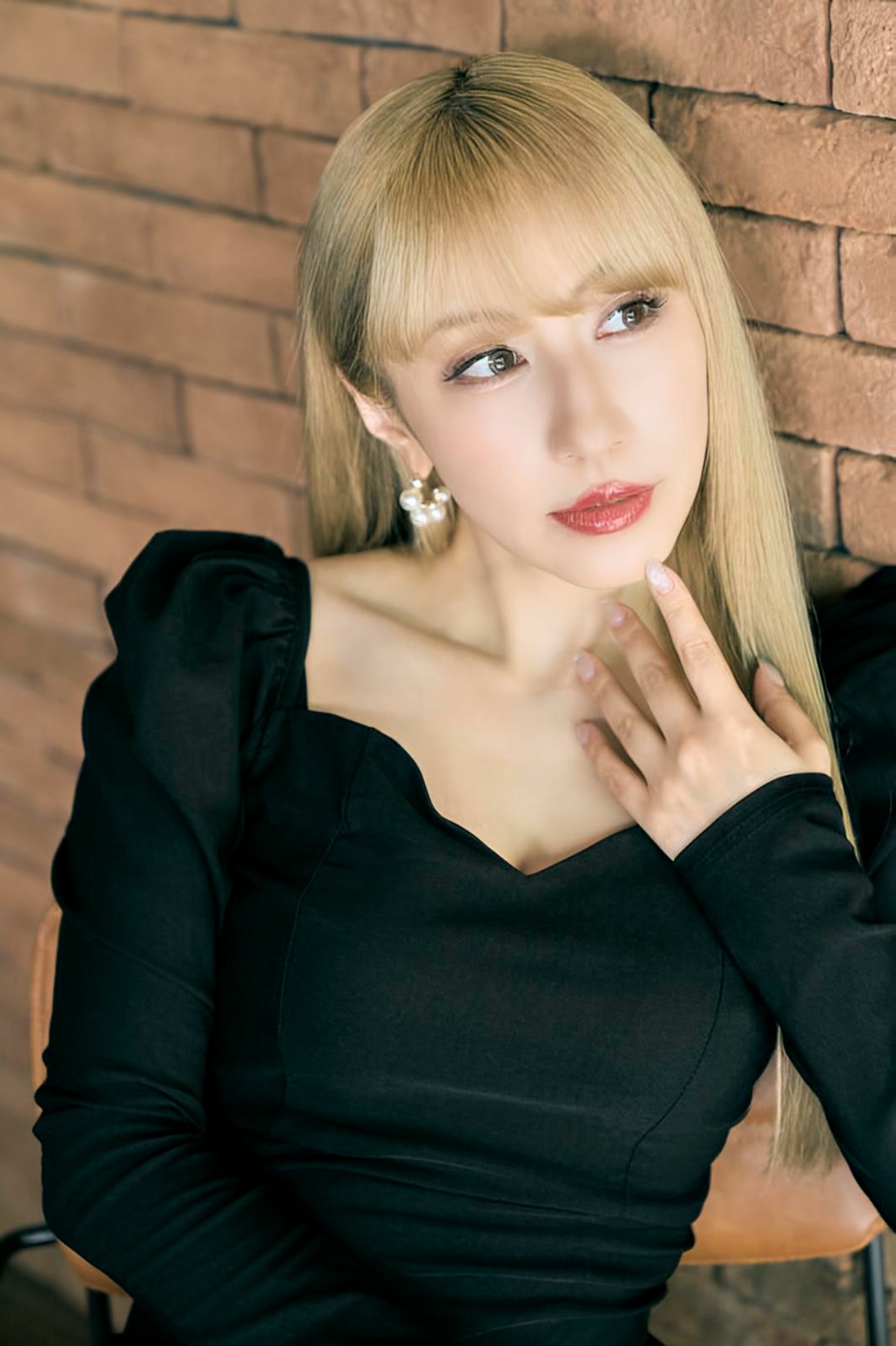
“The most important thing about performing live is enjoying yourself”
— You made your debut at age 14, and “Believe” which was chosen as the theme song for Mobile Suit Gundam SEED—is still beloved by fans today. After singing for over 20 years, is there anything you feel has changed?
It might go without saying, but first of all, my voice is different now. Around the time I released “Get Wild” (2005)—I was in my second year of high school—there was a time when I suddenly lost my voice for about a week. Apparently, women go through a series of voice changes throughout their lives, but in my case—unusually—I experienced a major voice change just like men do. After my voice came back, it sounded different from before—it had become a bit richer. My singing style changed from that point on, and as I’ve gotten older, my voice itself has continued to mature.
Since the voice is constantly changing, I take lessons while constantly exploring a singing style that suits my age and who I am at that moment. It’s like I’m always searching for the best vocal technique for the present moment, thinking: “This is the best way to sing right now”.
Also, the way I interpret lyrics has changed. Back then, I was still in middle school, so rather than deeply understanding the meaning of the lyrics, I was focused on just singing my heart out. But as I’ve grown up and gained various experiences, I’ve come to appreciate the depth of the lyrics and realize things like: “This song actually has so much melancholy”. In that sense, the emotions I convey and the way I express myself when singing have changed significantly.
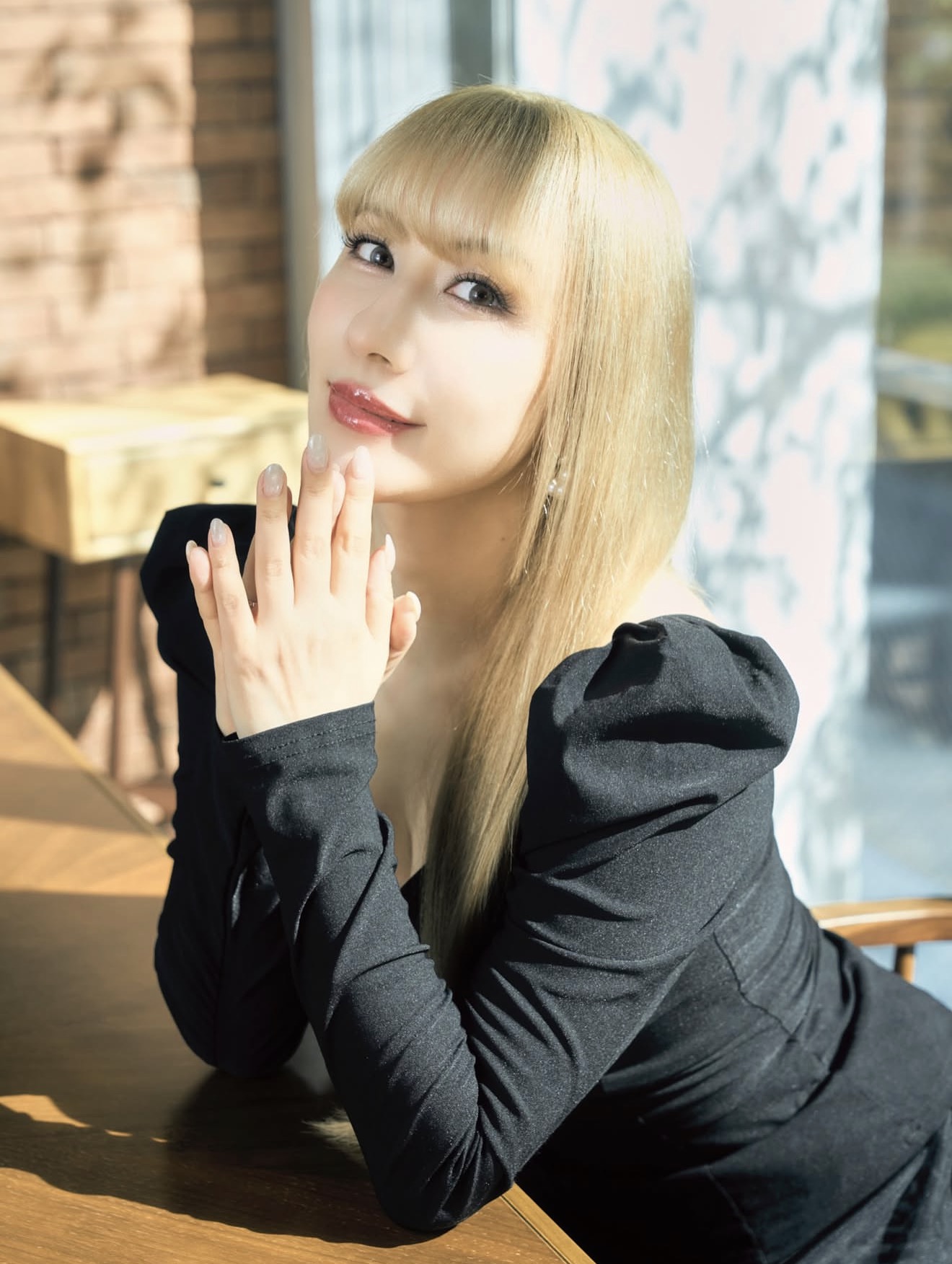
— On the flip side, is there anything about you as an artist that hasn’t changed?
My desire to “be an artist who spreads positive energy” has never changed. From the very beginning, my dream has been to provide entertainment that everyone can enjoy. I want to be more than just someone who sings and dances—I want to be an “entertainer,” so to speak.
Whether it’s a short stage performance or a full-scale solo concert, what makes me happiest is when someone seeing me for the first time goes home thinking: “I didn’t know much about her, but that was really fun”. I’ve felt that way ever since before my debut, and I want to continue being that kind of artist.
— With that in mind, are there any specific things you do or keep in mind?
First and foremost, I make sure to enjoy myself to the fullest! I’d be happy if, by seeing me having a blast, everyone else thinks: “This is fun!” I absolutely love those moments when that joy spreads and the entire venue comes together as one. At my live shows, I place a huge importance on creating that kind of atmosphere.
— Fans can really tell whether an artist is having fun or not, can’t they?
But I’m actually incredibly nervous (laughs). Only recently have I finally started to feel less nervous than I used to. Of course, I still enjoy being on stage even when I’m nervous, but now I’ve gotten to the point where I can perform in a more relaxed state.
— That’s surprising!
Seriously, I get so nervous my hands actually shake (laughs). Musicals make me especially nervous. Even during long performances, my hands might keep shaking right up until the act where I appear is over. That still happens to me. When I play a villain, I even worry: “Is it okay that my hands are shaking this much?” (laughs).
Lately, I’ve gradually been learning to manage that nervousness better. I don’t think being nervous is a bad thing in itself. But if I get so tense that my body freezes up, I can’t give a good performance. So now, I feel like I’ve learned to use that nervousness as fuel when I step onto the stage and turn it into the energy to enjoy myself.
— How do you keep your nerves in check?
I keep telling myself, like a mantra: “Don’t waste this—enjoy it more! You’ve practiced so much, so you’ll be fine. You’ll definitely be fine…” (laughs). I use that kind of self-suggestion to help me relax.
— You have a musical performance lined up for next year, right? I’m looking forward to it!
Yes. In the musical The Three Musketeers: Reborn, which opens in January 2027, I’ll be playing the role of Milady. Rehearsals are just getting started, but I want to enjoy the whole experience—nerves and all.
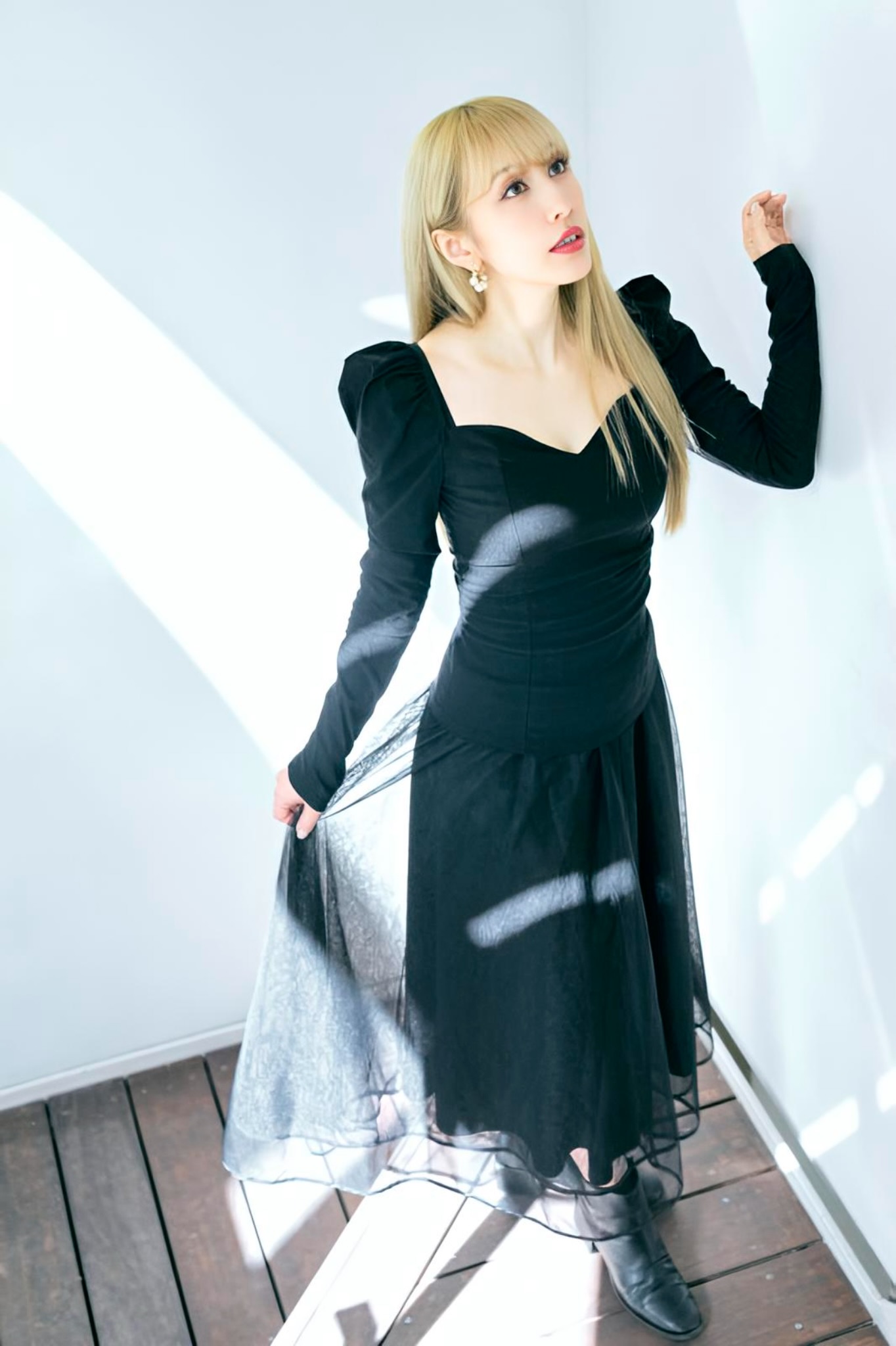
“How I learned to accept my body after going through a harsh diet”
— Ms. Tamaki, do you plan to stay in the entertainment industry for the rest of your life?
Yeah. Or rather, this is the only thing I can do (laughs). I have absolutely no talent for teaching people anything (laughs). That’s why I really respect voice and dance instructors. I guess I’m just someone who can only be on stage. I think how long I can keep doing this depends on my body, so I want to keep working on staying in shape so I can stay on stage for as long as possible.
— Looking at your social media, it seems like you work out quite a bit.
Working out is important when you’re in your 40s (laughs). But the only time I really get a serious workout is at the gym. I don’t want to do a bunch of different things, so I’m trying to get by with just the gym (laughs). On my days off, I really don’t move at all, and I hardly ever leave the house. Actually, I’m a total homebody. Riding my motorcycle is my hobby, so I go out on the days I ride, but on most of my days off, I try my best to avoid contact with anyone, don’t meet up with people, and just spend time alone (laughs). I watch anime or play video games all day. I do stretch at home and use a foam roller to loosen up, though.
— Just stretching makes a difference, doesn’t it?
That’s right. Even if you don’t do strength training regularly, just climbing stairs, walking, or sitting and working can surprisingly tire out your muscles, and they gradually get stiff. Since that builds up every day, I think it’s good to just roll your shoulders during a quick break. For example, while watching TV, you could do a straddle stretch as far as you comfortably can. And whatever you do, keep rotating your neck! (laughs) All the way from front to back—a full 360 degrees. Since your neck is connected to your facial muscles, I make a point of moving it as much as possible.
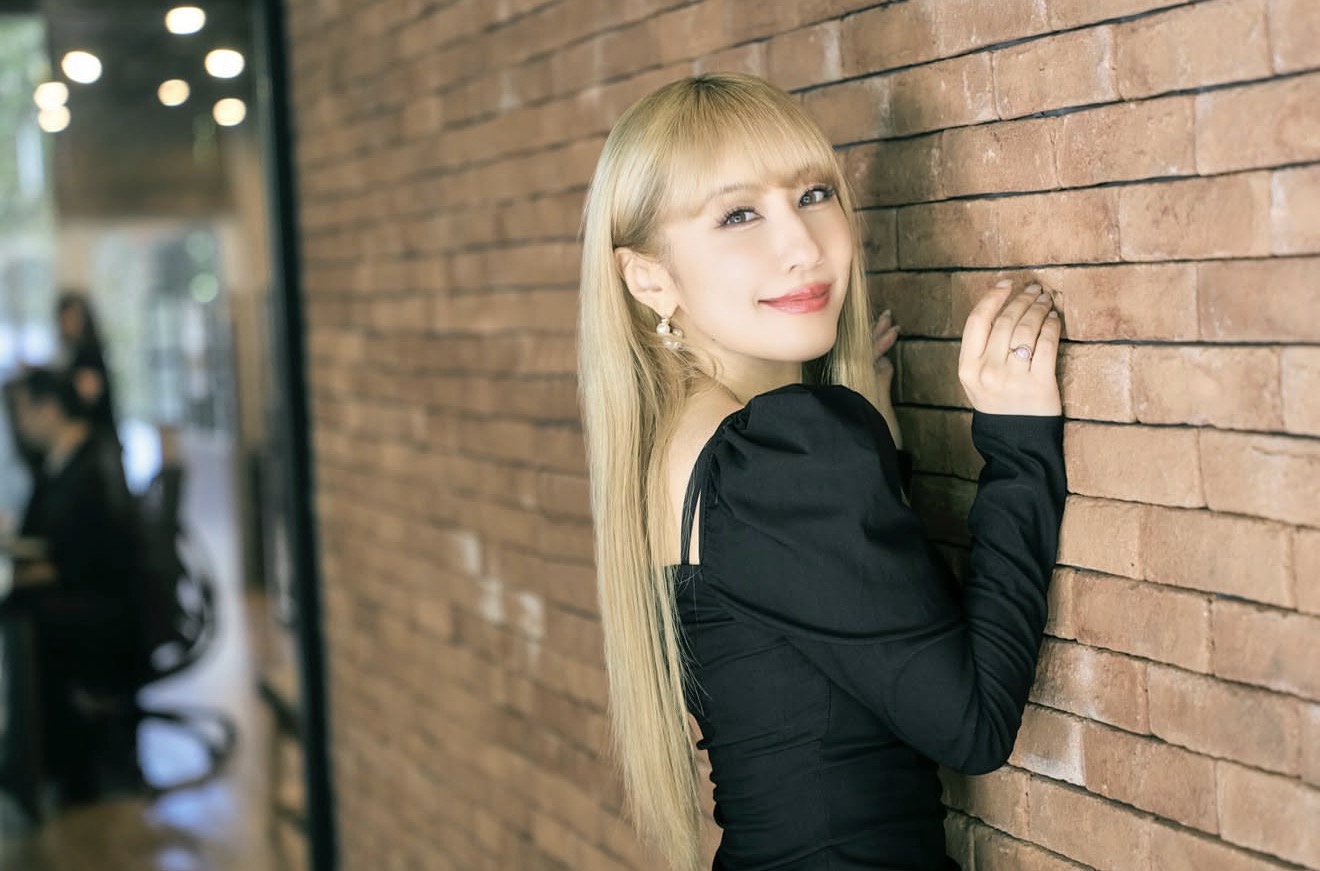
— Have you been following those health routines for a long time?
No, not at all (laughs). In fact, looking back now, I did some incredibly extreme things in my teens and early twenties. I used really unhealthy methods to lose weight—like barely eating for a week or surviving on nothing but water. I’d wrap my whole body in plastic wrap, put a sauna suit over it, and jump rope outside.
— To lose weight?
Yes. I did that almost every day. Even just taking a single bite of bread a week later would make me feel incredibly guilty. Naturally, my health suffered, and for a while, I was in a state similar to an eating disorder, repeatedly eating and then purging.
When I was around 24 or 25, I also lost a lot of weight due to stress from my relationships. At the time, it really took a toll on me mentally. It wasn’t just about being thin—I didn’t look healthy at all.
— So you went through a period like that…
After going through all those experiences, I arrived at my current way of thinking. Of course, everyone has their own ideal body type, and I don’t think there’s one “right” answer. That said, right now, I like a healthy, feminine look—one with some curves and muscle. I’d be happy if, by sharing my journey toward that kind of body, more women came to think: “This kind of healthy body type is wonderful, too”.
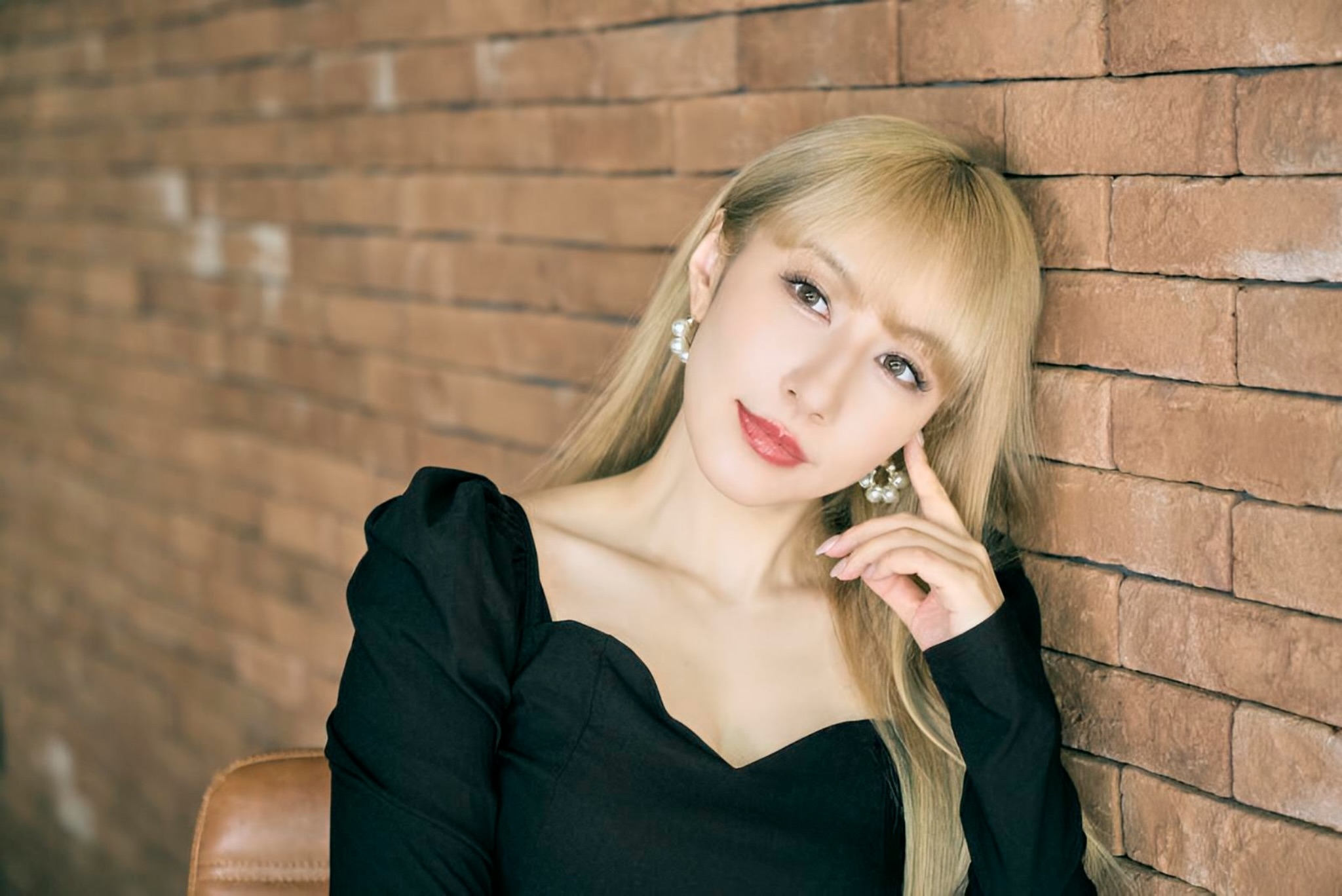
“I want to live a life without regrets”
— Do you have an ideal image of a woman, Ms. Tamaki?
Hmm, there are two types, really. One is a woman who is completely independent—both emotionally and financially—and enjoys her solo life. I actually know a woman in her 60s like that. She has a very elegant demeanor, but she’s actually quite a tomboy in her everyday life (laughs). She works in a high-profile job, but she still dances like a pro, and she’s constantly advancing her career. At the same time, she really values her personal life, and she approaches every aspect of her daily routine with great care. Even when it comes to cooking—say, just eating a simple bowl of somen noodles—she prepares it so meticulously that you’d think: “Are you really putting that many ingredients in!?” I, on the other hand, just grab the noodles straight from the pot and dip them in the broth (laughs). I really admire how she values both her work and her personal life.
The other person is, on the contrary, a completely different type: a woman who supports her family as a mother. It’s precisely because her way of life is the polar opposite of mine that I find her so impressive. Lately, there have been more mothers around me, and since my older sister has a child who’s about two years old, I’ve had more opportunities to interact with them up close. This has made me realize once again, “Mothers really accomplish amazing things”. The other day, I took the time to express my gratitude to my own mother once more.
— What did you tell her?
I’m the youngest of three siblings. My father was stationed away from home on business since I was two, so my mother raised all three of us almost entirely on her own. My father also worked so hard that he was able to enroll each of us in plenty of extracurricular activities, and I’m truly grateful for that. I think my mother is truly great for raising three high-maintenance kids without ever complaining or having any major conflicts. Just the other day, I told her “thank you” once again.
— And what did your mother say?
“That’s my job, after all”, she said (laughs). She’s so cool, isn’t she?
— How do you hope to age as you get older?
I want to take good care of myself and live in a way that allows me to say: “My life was the absolute best!” at the end. I don’t want to do anything I’m not satisfied with or dislike, and I don’t want to do anything that will leave me regretting: “I wish I hadn’t done that back then”. I want to stay true to myself—whether it’s with people, my work, or myself.
Also, I want to continue creating a work environment where everyone—including the staff who always support me—feels “happy.” And to make sure my fans never get bored of me (laughs), I want to keep taking on new challenges. With so many wonderful artists debuting one after another these days, I want to keep delivering moments that make people think: “I’m so glad I’ve been supporting Nami Tamaki”. To do that, I want to constantly reinvent my style of entertainment.
— That’s wonderful. You mentioned wanting “a life without regrets”—by the way, do you have a desire to live a long life?
Not really. People get worried when I say this, but when I was younger, for some reason I used to think: “Maybe I won’t live past 30”. I don’t even know why I thought that myself (laughs). But it wasn’t in a negative sense at all—it was more that I was living each day to the fullest. That feeling hasn’t changed even now; I just live each day to the fullest. That’s how I feel.
— That’s wonderful. As an artist, what are you aiming for?
I think listening to music lets you step away from everyday life, even if just for a little while. It can make you feel happy, let you immerse yourself in emotional moments, or sometimes even help you reset your mind. Music has that kind of power, doesn’t it?
It’s not that I want to make a direct statement or anything, but I do hope that everyone can be happy and that the world can become a peaceful place. I believe entertainment has that much power to move people’s hearts, and I’d be happy if I could contribute even a little bit toward that.
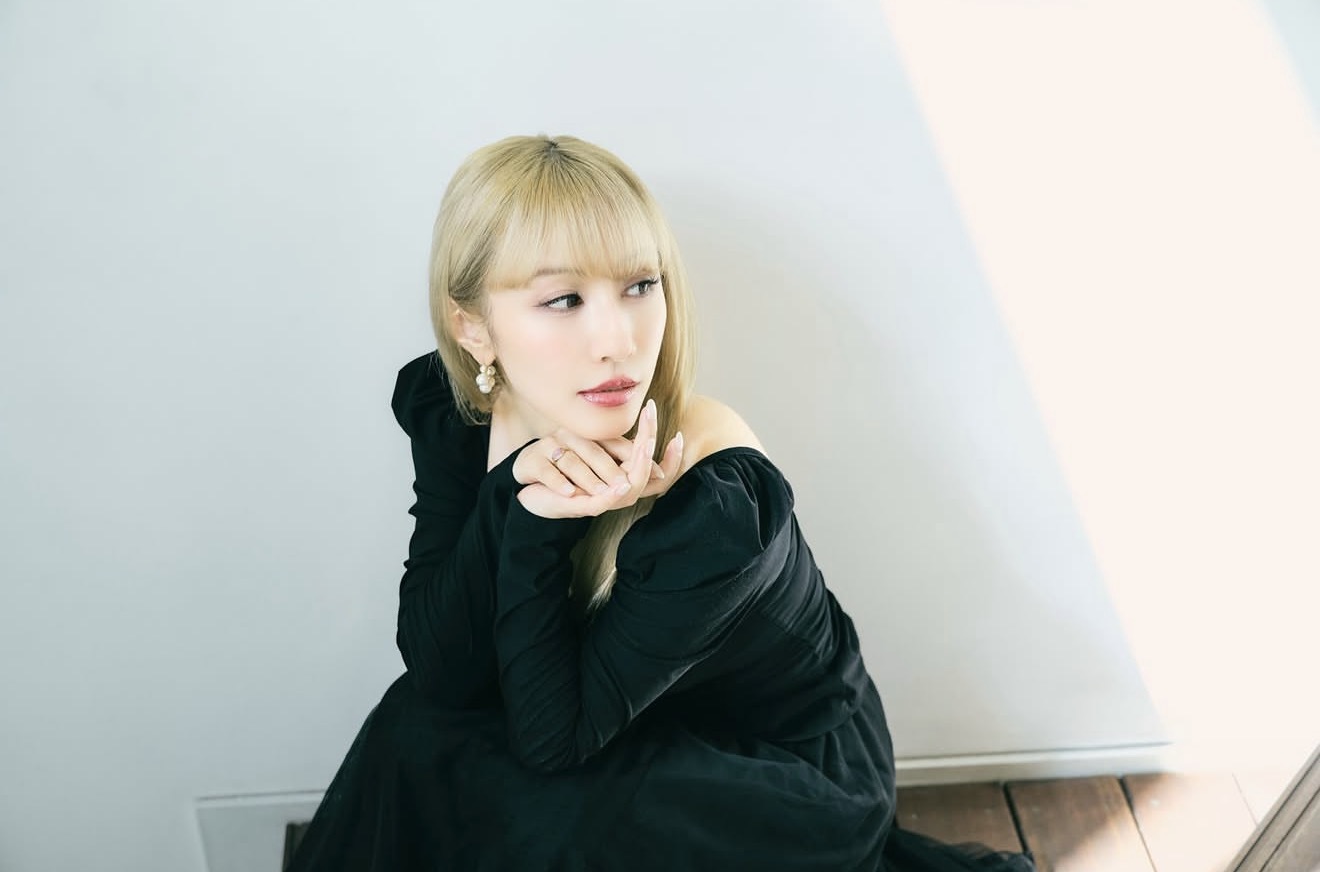
SOURCE | https://lavoix.jp/articles/namitamaki/
PHOTOGRAPHER | Fumiya Matsushima (BOIL)
TEXT | Sonomi Takeo
TRANSLATION | Nami Tamaki International (Salomé)